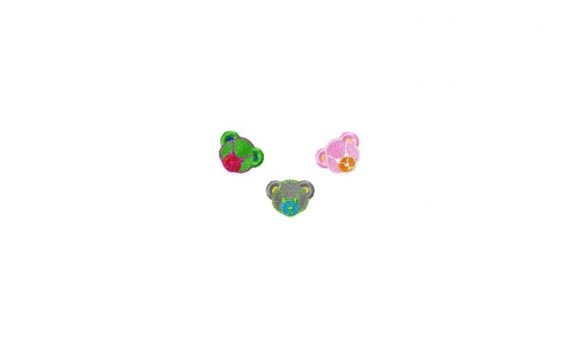
Three Face Bear Embroidery Review
The Three Face Bear embroidery design offers a unique visual appeal that can elevate small business merch, branded patches, and custom apparel. As an experienced embroidery designer, I've evaluated this machine embroidery design for its versatility, quality, and potential in commercial use.
First Impressions of Three Face Bear
From the first glance, Three Face Bear exudes a playful yet professional vibe. The design feels modern and approachable, making it ideal for businesses targeting a younger or creative audience. Its detailed nature suggests it could work well as a brand identity element, adding character to embroidered patches, tote bags, and apron embroidery without appearing too whimsical.
The description mentions it's perfect for sewing projects, which aligns with its ability to adapt across different fabrics and applications. Whether used on a café apron, a boutique tote bag, or a handmade product label, the design maintains a consistent aesthetic that supports visual branding efforts.
Real Business Use Cases for Three Face Bear
Small business owners and Etsy sellers will find Three Face Bear useful for creating custom apparel, promotional merchandise, and branded accessories. It works well as an embroidered patch for staff uniforms, a chest logo accent on work shirts, or a sleeve detail on caps and jackets. The design’s size and structure make it suitable for both large and small embroidery projects.
As a tote bag design, Three Face Bear adds a distinctive touch that can differentiate a product from competitors. It also has potential as a cap embroidery, where its bold lines and clear outlines ensure visibility even at a distance. For small business merch, this design can serve as a consistent visual element across multiple product types, reinforcing brand recognition.
Where to Use Three Face Bear Carefully
While Three Face Bear is versatile, there are areas where caution is advised. At very small patch sizes, the intricate details may become lost, so testing at reduced scales is recommended. On curved surfaces like cap fronts, the design might require slight adjustments to maintain symmetry and clarity.
High stitch density can be an issue if not managed properly, especially on textured fabrics or dark uniforms where thread colors may not stand out. Tiny lettering or detailed outlines could become distorted during the embroidery process, so ensuring proper spacing and stabilizer use is essential.
Key Considerations for Embroidery Designers
- Test in black and white first: This helps assess contrast and clarity before committing to specific thread colors.
- Check small patch size: Ensure the design remains recognizable when scaled down for patches or labels.
- Review thread color contrast: Choose colors that stand out against the fabric and complement the brand palette.
- Inspect spacing: Avoid overcrowding elements, especially when using the design on caps or curved surfaces.
- Confirm hoop size: Make sure the design fits within standard hoop dimensions for efficient production.
- Test on real fabric: Different materials affect how the design looks and feels, so always test before mass production.
- Use proper stabilizer: Stabilizers prevent puckering and ensure the design stays intact, especially on stretchy or delicate fabrics.
- Create a mockup for client approval: Presenting a printable mockup helps clients visualize the finished product before finalizing the order.
- Compare beside other design assets: Ensure consistency with existing branding elements and avoid visual clutter.
- Confirm commercial licensing: Always verify that the digital embroidery file allows for commercial use before proceeding with business projects.
Impact on Brand Identity and Customer Trust
Three Face Bear can significantly enhance brand identity by offering a memorable and visually engaging element for small business merch. When used consistently across products like aprons, tote bags, and customer gifts, it builds recognition and reinforces professionalism.
For handmade brands and craft businesses, this design adds a premium touch that elevates the perceived value of the finished product. It also supports visual consistency, ensuring that all branded items look cohesive and well-designed.
As a customer engagement tool, Three Face Bear can be used in event merch, Etsy branding, or printable mockups to create a sense of connection and excitement around the brand. Its playful nature makes it ideal for businesses looking to connect with a creative or youthful audience.
Conclusion: Three Face Bear in Commercial Embroidery
Overall, Three Face Bear is a strong machine embroidery design that offers flexibility for a wide range of business applications. Its detailed structure and friendly appearance make it suitable for custom apparel, embroidered patches, and branded merchandise. However, careful consideration of factors like stitch density, fabric texture, and hoop size is essential for optimal results.
Whether used as a cap embroidery, a tote bag design, or a key element in a small business’s product lineup, Three Face Bear has the potential to strengthen brand identity and customer trust. With proper testing and execution, it can become a valuable asset in any embroidery shop or handmade brand’s collection of design assets.